




Keep up to date with new Discussions, information, or Additions regarding our project and the Nakba in general on a broad scale.

Discussing the importance of preserving archeological sites in Palestine.

Examining the impact of international collaboration on Palestinian archeology.

Highlighting the contributions of women in the field of Palestinian archeology.
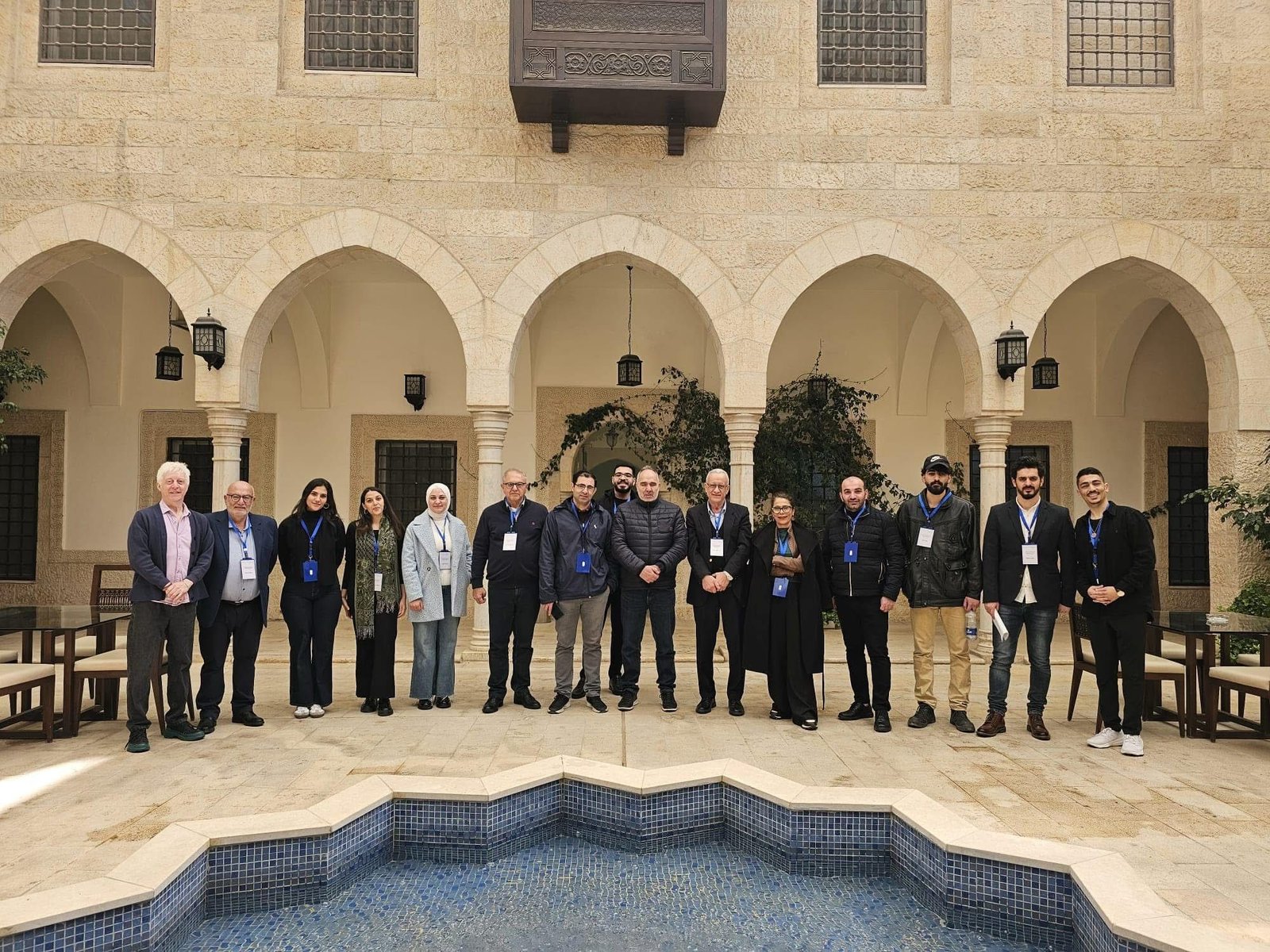
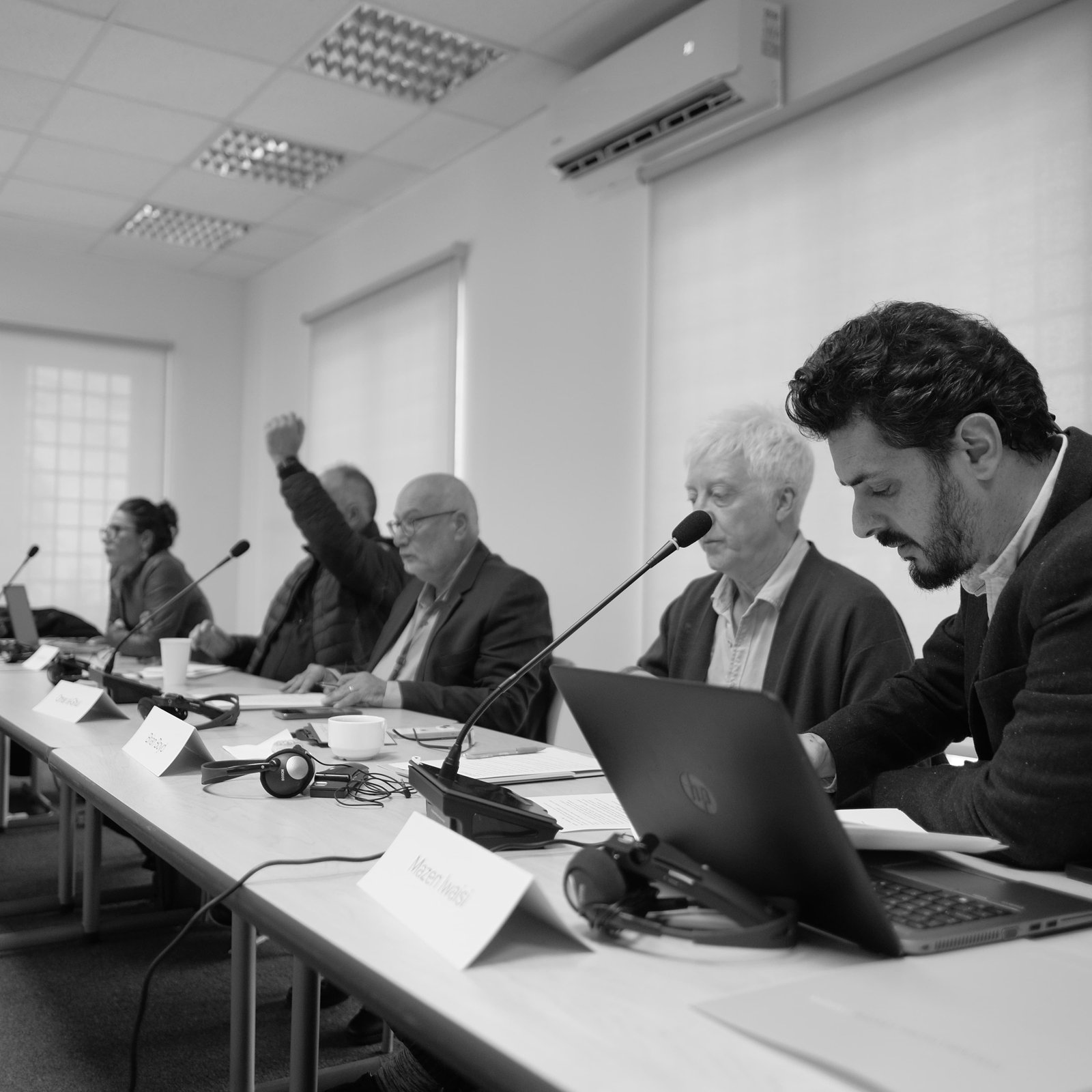
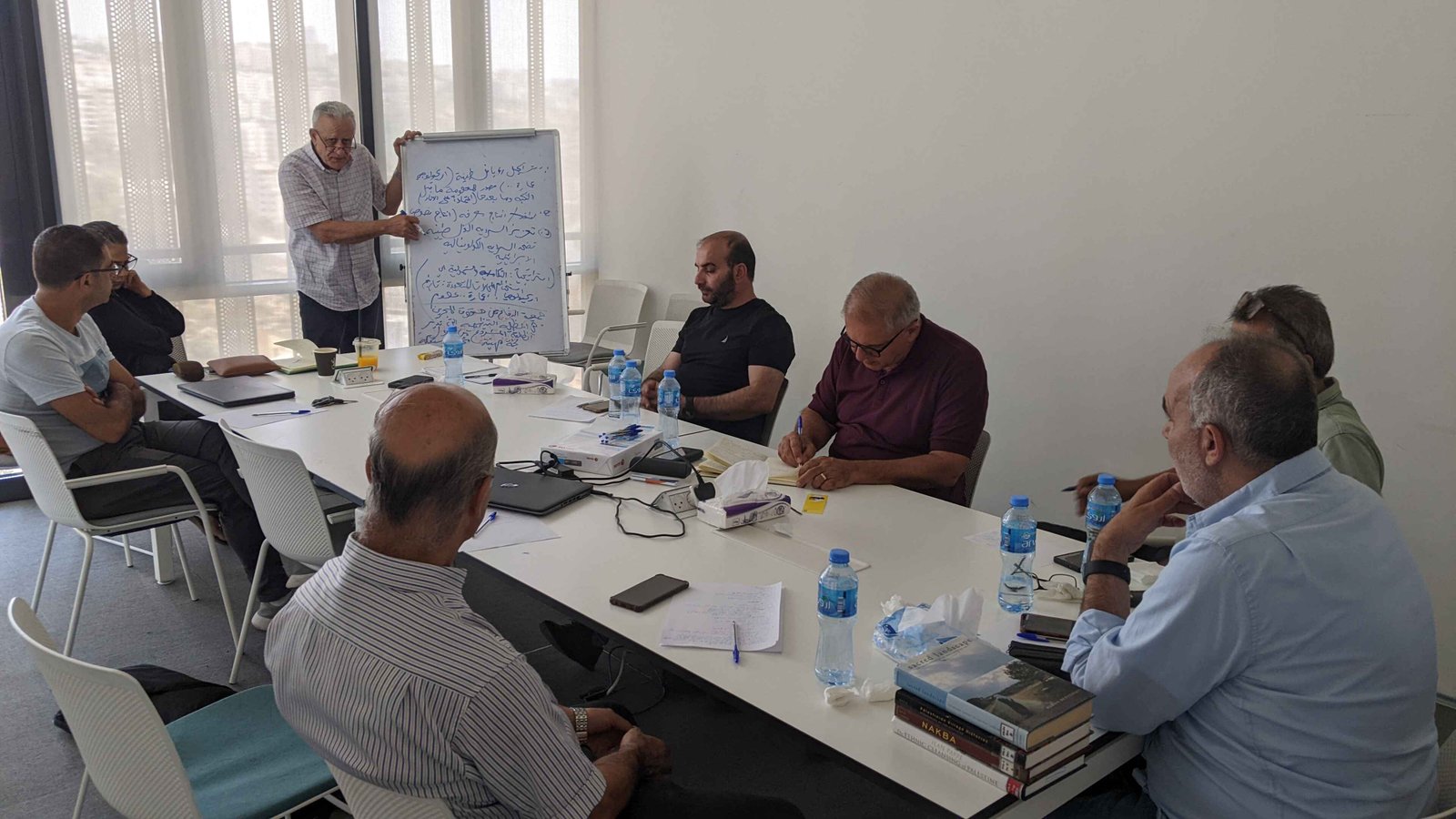
This workshop critiques British administrative divisions as a limited framework for understanding the Nakba and instead proposes the region as a broader unit of analysis. It takes the Marj Ibn Amer Plain as a case study to examine historical transformations within an extended spatial context linking pre- and post-Nakba periods. The workshop argues that the plain was not merely a strategic site, but a lived, dynamic space shaped by agricultural and Bedouin life and by social and economic relations. It highlights the plain as an interactive zone connected to multiple regions, producing forms of coexistence and integration. In contrast, it challenges Eurocentric approaches that have marginalized the Palestinian experience, calling for a re-reading of history within its wider local contexts.